Perimenopause, the transitional phase leading up to menopause, can be a challenging time for many women. Frequently discussed symptoms include hot flashes, irregular periods, sexual function changes, and sleep disturbances. Other common symptoms that are not frequently discussed include brain fog, mood swings, cognitive change, irrational anger, weight gain, joint pain, and skin changes significantly impact the quality of life of most women! It’s essential to explore effective ways to manage these changes. While hormone replacement therapy (HRT) can and should be considered, many women seek natural support.
Understanding Perimenopause
Perimenopause typically begins in our mid-30s to 40s. During this phase, estrogen levels fluctuate, leading to a variety of physical and emotional symptoms. Additionally, ovulation is less regular resulting in less consistent progesterone production. According to the North American Menopause Society (NAMS), approximately 75% of women experience some form of symptoms during this transition.
Natural Remedies for Perimenopause Symptoms
1. Dietary Changes
Nutrition plays a crucial role in managing perimenopause symptoms. A balanced diet full of protein and rich in fruits, vegetables, whole grains, and healthy fats can help ease symptoms.
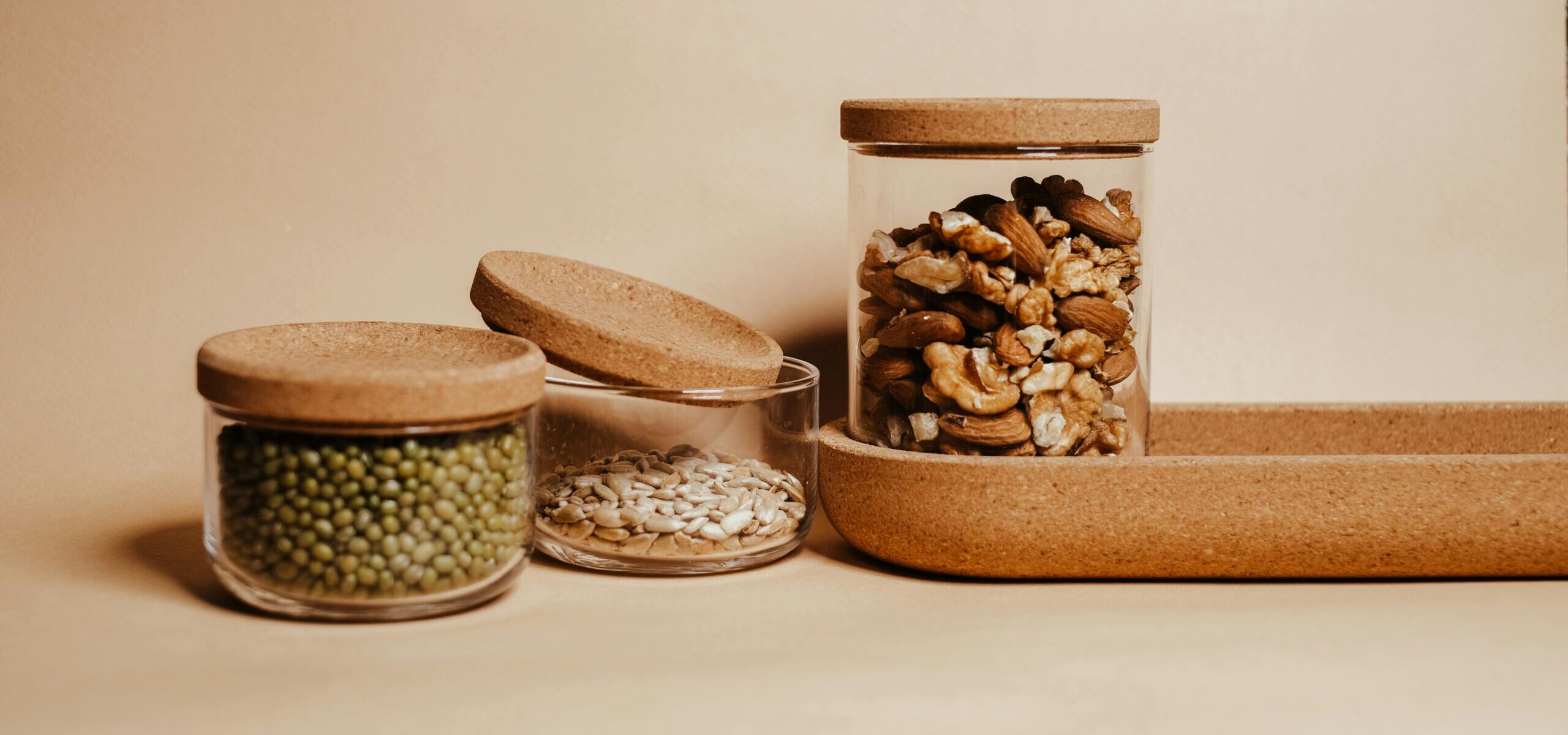
– Phytoestrogen-Rich Foods: Consuming foods that contain natural phytoestrogens, such as soy, flaxseeds, whole grains, and lentils, may help mitigate hormonal fluctuations by providing mild estrogenic effects. Choose organic whenever possible.
– Omega-3 Fatty Acids: Omega-3s, found in fatty fish, flaxseeds, and walnuts, have anti-inflammatory properties and may help reduce mood swings and depressive symptoms associated with perimenopause. For most bodies, essential Omega3 fatty acids EPA and DHA are hard to make from flaxseed and walnuts.
– Calcium and Vitamin D: Adequate intake of calcium and vitamin D is crucial during perimenopause, as these nutrients support bone health, which can be compromised due to declining estrogen levels.
2. Physical Activity
Engaging in regular physical activity, particularly weight-bearing exercises, can help manage weight, reduce stress, improve mood, and strengthen bones. Exercise may also help in reducing the frequency and intensity of hot flashes. Aim for at least 150 minutes of moderate intensity exercise each week.
3. Mind-Body Practices
Practices such as yoga, meditation, earthing, and deep breathing exercises can help manage stress and anxiety, which are often heightened during perimenopause. These practices can also improve sleep quality and overall well-being. Incorporating these practices into your daily routine can foster relaxation and resilience.
4. Sleep Hygiene
Sleep disturbances are common during perimenopause. Establishing good sleep hygiene, such as maintaining a consistent sleep schedule, creating a restful environment, and limiting caffeine and screen time before bed, can help improve sleep quality.
5. Herbal Medicine
Several herbal remedies have gained popularity for their potential to alleviate perimenopause symptoms including Black Cohosh, Red Clover, and Evening Primrose Oil. Discuss dosing with your Naturopathic Doctor.
6. Nutritional Supplements
– Vitamin E: There is weak evidence that suggests it may reduce hot flashes and night sweats. It also acts as an antioxidant, supporting overall health during the perimenopausal transition). Vitamin E may be more beneficial as a vaginal application to help with lubrication!
– B Vitamins: B vitamins, particularly B6 and B12, are important for mood regulation and energy levels. Supplementing with these vitamins may help alleviate mood swings and fatigue.
– Magnesium: Magnesium is known for its calming effects and can help reduce anxiety, improve sleep, and alleviate muscle cramps associated with perimenopause. Talk to your Naturopathic Doctor about which forms are best for you, some forms can impact bowel movements, which may or may not be desired.
7. Acupuncture
Acupuncture, a component of Traditional Chinese Medicine, has been shown to relieve hot flashes and improve overall quality of life during perimenopause. Regular sessions may help balance hormones and promote relaxation.
Conclusion
Most importantly, you are NOT crazy! Perimenopause is a time of such dramatic fluctuations in your hormones that absolutely impacts so many aspects of your body and life. While many can benefit from HRT it’s important to remember that there are natural ways to manage the symptoms. By making lifestyle modifications, incorporating herbal and nutritional supplements, and exploring acupuncture, you can find relief during this transitional phase. Consult with your licensed Naturopathic Doctor before starting any new treatment or supplement, especially if you have pre-existing health conditions or are taking medications.
Taking a proactive approach to your health can make the perimenopausal transition smoother and empower you to embrace this new chapter of life with confidence.
References:
1.) The 2022 hormone therapy position statement of North American Menopause Society, 2022.
2.) Soleymani, M., et al. (2019). “Dietary patterns and their association with menopausal symptoms: a cross-sectional study.” Menopause.
3.) Grigolon, R.B., et al. (2023). “Effects of nutritional interventions on the severity of depressive and anxiety symptoms of women in the menopausal transition and menopause: a systematic review, meta-analysis, and meta-regression.” Menopause.
4.) Dawson-Hughes, B., et al. (1997). “Effect of calcium and vitamin D supplementation on bone density in men and women 65 years of age or older.” New England Journal of Medicine.
5.) Cramer, H., Peng, W., and Lauche, R. (2018). “Yoga for menopausal symptoms: A systematic review and meta-analysis.” Maturitas.
6.) Baker, F.C., et al. (2018). “Sleep and sleep disorders in the menopausal transition.” Sleep Med Clin.
7.) Maki, P.M., Panay, N., and Simon, J.A. (2024). “Sleep disturbance associated with the menopause.” Menopause.
8.) Sadahiro, R., et al. (2023). “Black cohosh extracts in women with menopausal symptoms: an updated pairwise meta-analysis.” Menopause.
9.) Kazemi, F., et al. (2021). “The effect of evening primrose oil capsule on hot flashes and night sweats in postmenopausal women: a single-blind randomized controlled trial.” J Menopausal Med.
10.) Avis, N.E., et al. (2016). “Acupuncture in menopause (AIM) study: a pragmatic, randomized controlled trial.” Menopause.