Irregular menstrual cycles are a common concern for many women, characterized by cycles that vary in length, are missed altogether, or involve unusually heavy or light bleeding. While occasional irregularities are normal, persistent irregularity can be a sign of underlying health issues. Understanding the causes of irregular menstrual cycles and exploring natural approaches to support regularity can help you gain control of your reproductive health.
What Are Irregular Menstrual Cycles?
A typical menstrual cycle lasts between 21 and 35 days, with menstrual bleeding lasting between 3 and 7 days. Irregular cycles deviate from this pattern and may involve shorter or longer cycles, unpredictable timing, or skipped periods. There are numerous causes you and your licensed healthcare provider should explore.
Causes of Irregular Menstrual Cycles
1. Hormonal Imbalances:
Estrogen and progesterone are key hormones that regulate the menstrual cycle. Imbalances in these hormones, often due to conditions like PCOS, thyroid dysfunction, or perimenopause, can disrupt the regularity of periods.
2. Stress:
Chronic stress can interfere with the hypothalamic-pituitary-adrenal (HPA) axis, which helps regulates the menstrual cycle. High stress levels can lead to missed periods or irregular cycles.
3. Diet and Lifestyle:
Poor nutrition, rapid weight loss or gain, and excessive exercise can all contribute to irregular cycles. The body requires balanced nutrition and healthy body weight to maintain regular menstruation.
4. Medical Conditions:
Conditions such as PCOS, endometriosis, and thyroid disorders can cause irregular periods. It’s important to consult with a healthcare provider to diagnose and manage these conditions.
Natural Approaches to Regulating Menstrual Cycles
1. Dietary Adjustments
– Balanced Nutrition: Ensuring a diet rich in whole foods, including plenty of fruits, vegetables, whole grains, and lean proteins, provides the necessary nutrients for hormonal balance. Deficiencies in vitamins and minerals, such as vitamin D, magnesium, and omega-3 fatty acids, can contribute to hormonal imbalances.
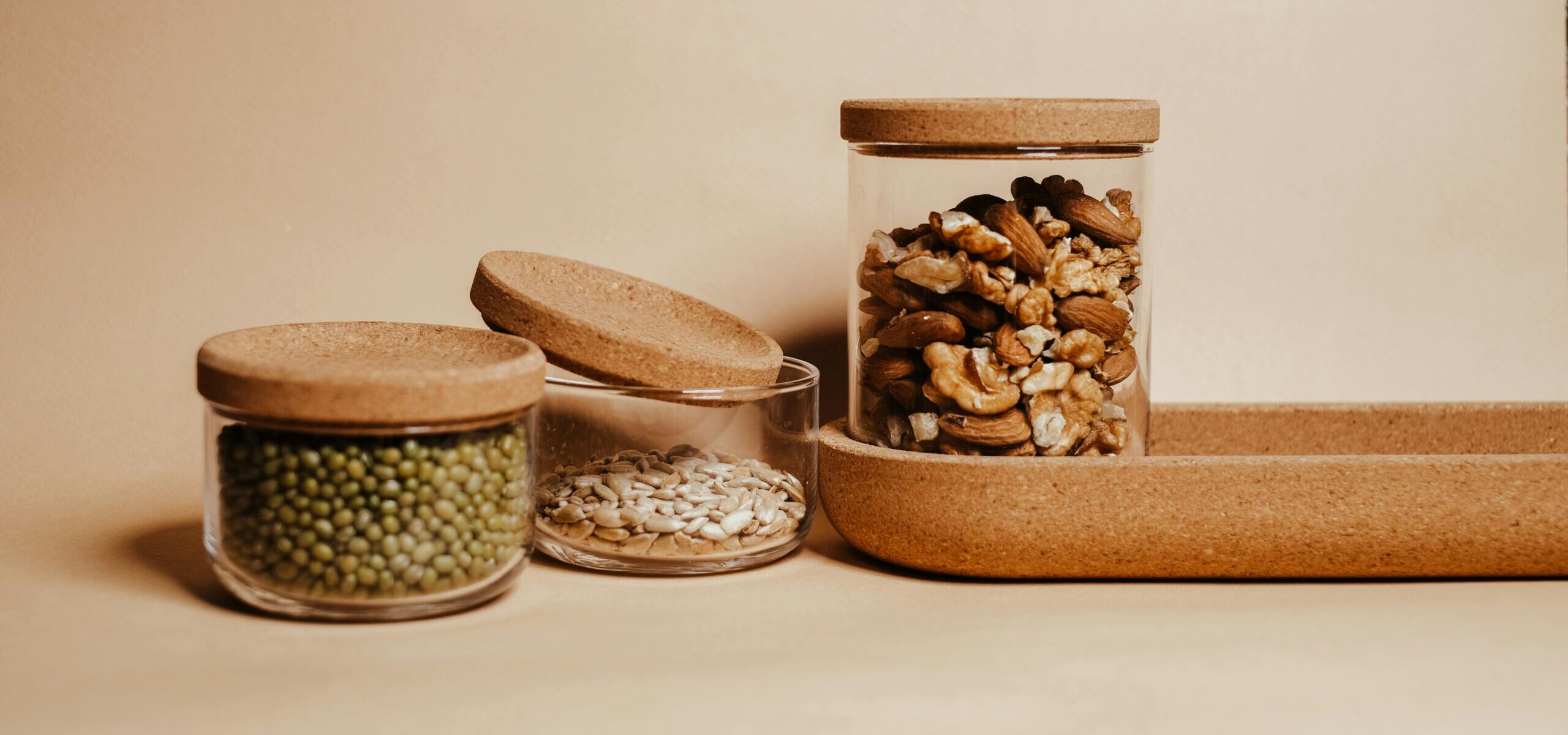
– Healthy Fats: Incorporating healthy fats like those found in avocados, nuts, seeds, and fatty cold-water fish can support hormone production and balance. Omega-3 fatty acids may play a role in regulating menstrual cycles.
– Herbs and Spices: Certain herbs, such as turmeric, ginger, and cinnamon, have been shown to be anti-inflammatory which may support menstrual health. These can be easily incorporated into daily meals.
2. Nutritional Supplements
– Vitex (Chaste Tree Berry): Vitex is a well-known in herbal medicine for its ability to support hormonal balance. It can help regulate menstrual cycles by influencing the pituitary gland, which modulates the production of hormones like luteinizing hormone and prolactin.
– Myo-Inositol: This nutrient has been shown to help with insulin sensitivity and hormonal balance, particularly in women with PCOS. Regular use of myo-inositol may lead to more regular menstrual cycles.
– Magnesium: Magnesium is essential for many bodily functions, including hormone regulation. It can help reduce symptoms of PMS and promote regular menstrual cycles.
– Vitamin D: Vitamin D deficiency is linked to irregular menstrual cycles and other reproductive health issues. Supplementing with vitamin D may help improve cycle regularity, particularly in women with PCOS.
3. Lifestyle Modifications
– Stress Management: Reducing stress through practices like yoga, meditation, deep breathing exercises, earthing, and mindfulness can have a significant impact on menstrual regularity. Stress management techniques help regulate the HPA axis and support hormonal balance.
– Regular Exercise: Moderate physical activity supports hormonal health and can help regulate menstrual cycles. However, it’s important to avoid excessive exercise, which can have the opposite effect and disrupt cycles.
– Adequate Sleep: Consistent, quality sleep is crucial for hormonal balance. Poor sleep patterns can disrupt the production of hormones that regulate the menstrual cycle, leading to irregular periods.
4. Herbal Remedies
– Ginger: Ginger has been used traditionally to help with menstrual irregularities and painful periods. Its anti-inflammatory properties may help alleviate symptoms associated with irregular cycles.
– Cinnamon: Research suggests that cinnamon may help improve menstrual cycle regularity in women with PCOS by improving insulin sensitivity and reducing insulin resistance.
– Evening Primrose Oil: Rich in gamma-linolenic acid (GLA), evening primrose oil may help balance hormones and support regular menstrual cycles. It’s often used to relieve PMS symptoms and regulate periods.
When to Seek Medical Advice
While natural approaches can be effective for managing irregular menstrual cycles, it is important to consult with a licensed healthcare provider if cycles remain consistently irregular or are accompanied by other symptoms, such as severe pain, heavy bleeding, or unexpected weight changes. A healthcare provider can help rule out underlying conditions and recommend appropriate treatments.
In Conclusion
Irregular menstrual cycles can be a frustrating and challenging issue for many women. However, by adopting natural approaches such as dietary changes, nutritional supplementation, stress management, and herbal remedies, it is possible to support hormonal balance and achieve more regular cycles. Always consult with a licensed healthcare provider before beginning any new treatment regimen to ensure that it is safe and appropriate for your specific needs.
—
References:
Amzajerdi, A., et al. “The effect of vitamin D on the severity of dysmenorrhea and menstrual blood loss: a randomized clinical trial.” BMC Women’s Health, 23, 138; 2023.
Hajimondfarednejad, M., et al. “Insulin resistance improvement by cinnamon powder to polycystic ovary syndrome: a randomized double-blinded placebo controlled clinical trial.” Phytother Res. 32, 2; 2018.
Mbiydzenyuy, N.E., Qulu, LA. “Stress, hypothalamic-pituitary-adrenal axis, hypothalamic-pituitary-gonadal axis, and aggression.” Metab Brain Dis 39; 2024.
Mohan, A., et al. “Vitamin D and polycystic ovary syndrome (PCOS): a review.” Ann Med Surg (Lond), 85, 7; 2023.
Sharon, P. M., et al. “The Effectiveness of Myo-Inositol in Women With Polycystic Ovary Syndrome: A Prospective Clinical Study.” Cureus. 16, 2, 2024.
Yaralizadeh, M., et al. “Effectiveness of magnesium on menstrual symptoms among dysmenorrheal college students: a randomized controlled trial.” IJWHR, 12, 2; 2024.