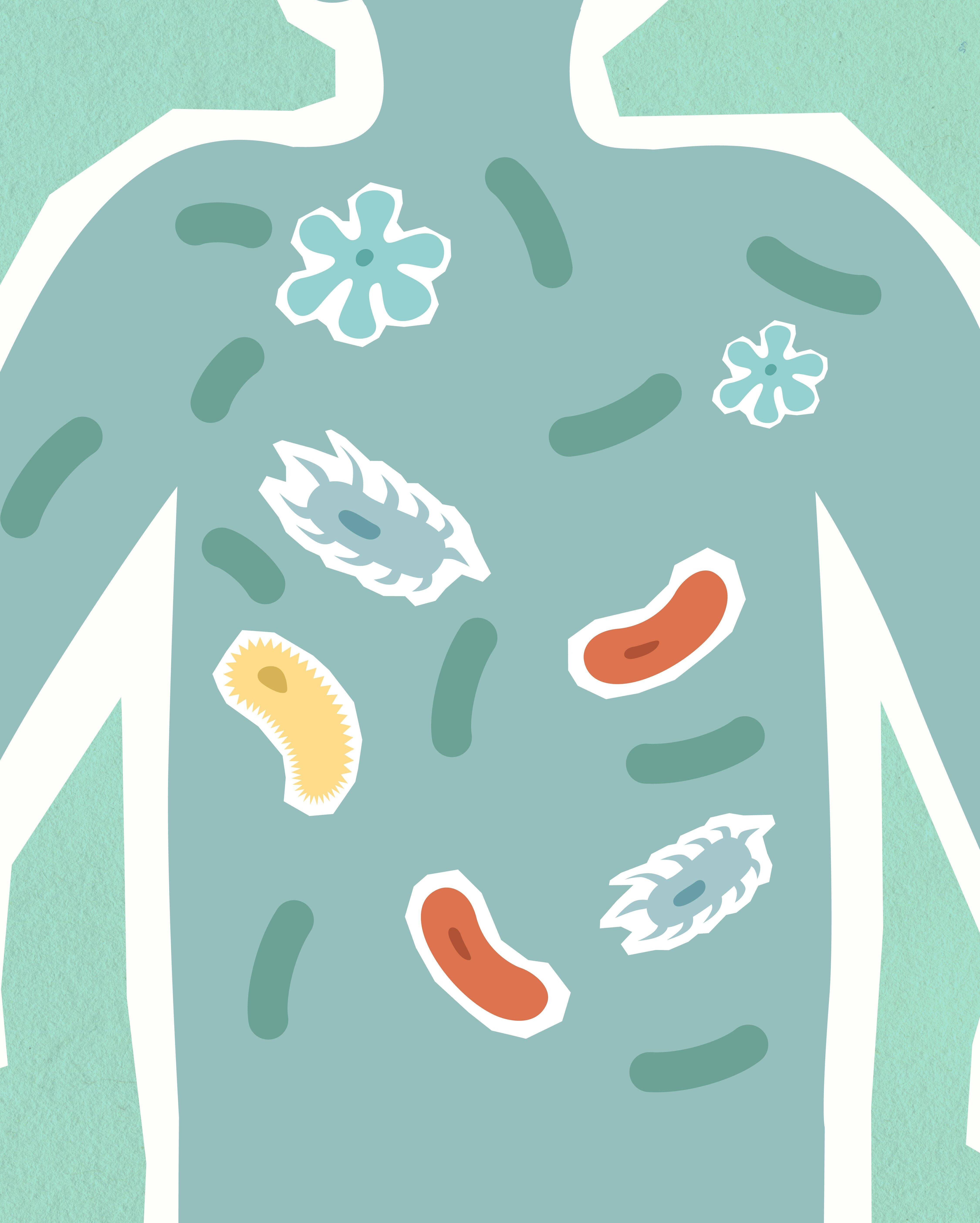
Emerging research highlights the gut microbiome’s pivotal role in aging and longevity. This complex community of trillions of microorganisms influences your immune function, inflammation levels, metabolism, and even brain health. Understanding and nurturing this internal ecosystem could be key to extending your lifespan and healthspan.
The Gut Microbiome and Aging
As we age, our gut microbiome undergoes significant changes. Studies indicate that older adults, particularly centenarians, often possess unique microbial profiles associated with healthier aging. For instance, research supported by the National Institute on Aging found that certain gut microbiome patterns are linked to increased longevity and healthy aging. (1) A systematic review concluded that aging is associated with alterations in gut microbiota diversity and composition, which may impact health and longevity. (2)
Mechanisms Linking Gut Health to Longevity
- Inflammation Control: The gut microbiome plays a role in modulating systemic inflammation. Chronic low-grade inflammation, or “inflammaging,” is a hallmark of aging and contributes to various age-related diseases. A balanced microbiome can help mitigate this inflammatory state. (3)
- Metabolic Regulation: Gut microbes influence metabolic processes, including insulin sensitivity and lipid metabolism. Disruptions in these processes are linked to age-related metabolic disorders.
- Immune System Support: A healthy gut microbiome supports immune function, which tends to decline with age. Maintaining microbial balance can enhance immune responses and reduce susceptibility to infections.
- Cognitive Health: The gut-brain axis signifies the connection between gut health and brain function. Alterations in the microbiome may influence cognitive aging and the risk of neurodegenerative diseases.
Strategies to Promote a Longevity-Friendly Gut Microbiome
- Diverse, Plant-Rich Diet: Consuming a variety of fruits, vegetables, whole grains, and legumes provides fiber and polyphenols that nourish beneficial gut bacteria. (4)
- Fermented Foods: Incorporating foods like yogurt, kefir, kimchi, and sauerkraut introduces probiotics that support microbial diversity.
- Regular Physical Activity: Exercise has been shown to positively influence gut microbiota composition and function.
- Adequate Sleep and Stress Management: Both sleep quality and stress levels can impact gut health. Practices like mindfulness and adequate rest are beneficial.
- Limit Antibiotic Use: Use antibiotics judiciously, as they can disrupt the gut microbiome balance.
Final Thoughts
The gut microbiome’s influence on aging and longevity underscores the importance of maintaining gut health throughout life. By adopting lifestyle habits that support a diverse and balanced microbiome, we can potentially enhance our healthspan and enjoy a more vibrant, longer life.
References:
- National Institute on Aging. (2021). “Unique gut microbiome patterns linked to healthy aging, increased longevity.”
- Badal, V.D., et al. (2020). “The Gut Microbiome, Aging, and Longevity: A Systematic Review.” Nutrients, 12(12), 3759.
- Ghosh, T.S., Shanahan, F., and O’Toole, P.W. (2022). “The gut microbiome as a modulator of healthy ageing.” Nature Reviews Gastroenterology & Hepatology, 19, 565-584.
- Claesson, M.J., et al. (2012). “Gut microbiota composition correlates with diet and health in the elderly.” Nature, 488(7410), 178-184.