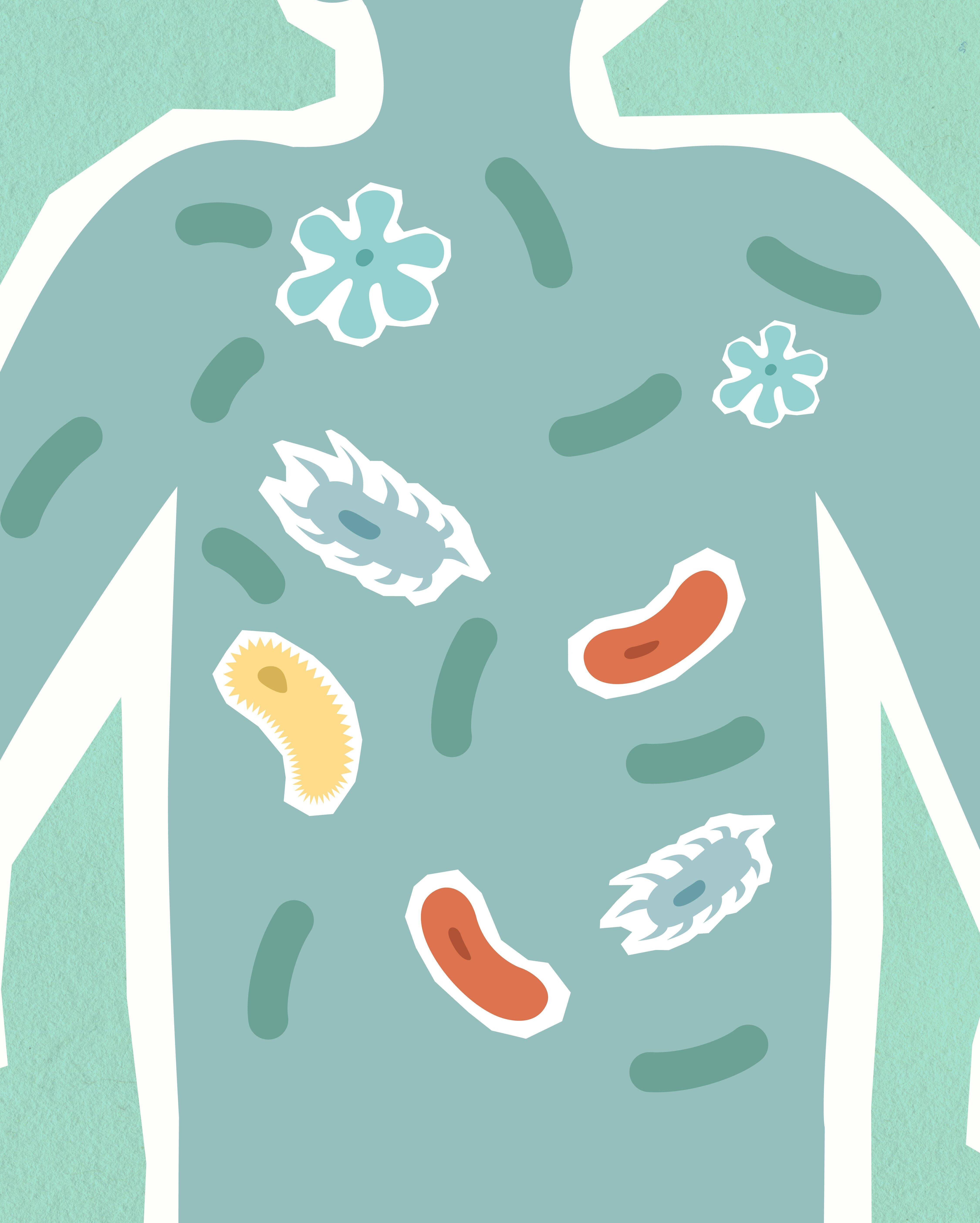
Autoimmune disease happens when your immune system — the part of you that usually protects against germs — starts attacking healthy tissue. Genetics set the stage, but the environment is often the trigger. Pollutants (air and chemical), heavy metals, indoor mold and even chronic infections have all been linked to higher risk or worse activity of autoimmune conditions in people who are genetically susceptible. We will discuss several factors that can nudge the immune system out of balance.
How the environment actually “tricks” the immune system
Researchers describe several mechanisms by which non-genetic exposures can produce autoimmunity. One well-studied idea is molecular mimicry: a foreign molecule (from a microbe or chemical-modified protein) looks enough like a normal human protein that immune cells activated against the foreign molecule cross-react with self-tissue. But molecular mimicry is only part of the story — chronic exposure can also cause ongoing inflammation, expose hidden (cryptic) self-antigens, and promote bystander activation or epitope spreading, widening the immune attack over time.
Pollutants and chemicals
Air pollution and chemical contaminants (including some pesticides, solvents and “forever chemicals” like PFAS) are associated with higher inflammation and with certain autoimmune diseases in population studies. Pollutants can alter immune signaling and even change gene expression via epigenetic modifications, creating a pro-autoimmune environment rather than a single direct cause-and-effect for most people.
Heavy metals
Lead, mercury, cadmium and similar metals can disrupt immune regulation, increase oxidative stress, and skew the balance between regulatory and inflammatory immune cells — a recipe that can unmask or worsen autoimmunity. Recent human and experimental studies link higher metal burden to systemic inflammation and immune changes relevant to autoimmune disease.
Mold, mycotoxins and chronic indoor exposures
Damp indoor environments and some molds produce biologically active compounds (mycotoxins) and microbial fragments that can chronically stimulate or dysregulate the immune system. In people with pre-existing immune vulnerability this exposure can exacerbate symptoms and in some cases is associated with autoimmune-type processes. Good building maintenance and prompt remediation of water damage matter for health!
Chronic infections
Stealthy infections (viral or bacterial) can act like a long-running alarm that never shuts off. Over time, persistent antigen stimulation may promote cross-reactive immune responses, loss of tolerance, and autoimmunity in susceptible hosts — a mechanism supported by many infection-autoimmunity links in the literature.
Why women can be more vulnerable
Autoimmune diseases are generally more common in women. Sex hormones (especially estrogens), sex chromosomes, and hormone-sensitive immune pathways interact so that female immune responses tend to be stronger — which helps fight infection but also raises the chance of misdirected immunity. Hormone-disrupting chemicals can amplify these effects by mimicking or blocking natural hormones, adding a layer of vulnerability.
Taking Action: At-Home Strategies to Minimize Exposure
While we can’t eliminate all environmental exposures, we can reduce our toxic burden:
Filter Your Water and Air Install quality water filters that remove heavy metals and chemicals. Consider HEPA air filters for your home, especially in bedrooms.
Choose Clean Personal Care Products Many conventional cosmetics and cleaning products contain endocrine disruptors. Look for products free from phthalates, parabens, and synthetic fragrances.
Minimize “forever chemicals” Choose ceramic, glass, stainless, cast-iron, or PFAS-free labeled food prep and cookware. Limit fast-food packaging and avoid handling thermal receipts when possible.
Address Mold Promptly Fix water leaks immediately and maintain good ventilation in bathrooms and kitchens. If you suspect mold in walls or HVAC systems, have it professionally assessed and removed.
Eat Organic When Possible Prioritize organic versions of produce most heavily contaminated with pesticides. Focus on whole foods that support detoxification, including cruciferous vegetables, leafy greens, and foods rich in antioxidants.
Support Your Detoxification Pathways Ensure adequate fiber intake to bind toxins for elimination. Stay well-hydrated. Consider supplementing with vitamins that support detoxification, particularly B vitamins and vitamin C, after consulting with a healthcare provider.
Reduce Heavy Metal Exposure Be mindful of mercury in large fish, consider alternatives to dental amalgams, and test your home for lead if you live in an older building.
A balanced closing note
Environment and genes interact — exposures rarely “cause” autoimmune disease alone, but they can be important triggers or accelerants. Small, practical reductions in exposure such as better indoor air, safer cookware choices, handling receipts less, and addressing mold and infections are reasonable, low-risk steps for people worried about autoimmunity. If you have symptoms or a diagnosed autoimmune condition, discuss environmental concerns with your Naturopathic Doctor so testing and mitigation can be individualized.
___
References:
- Khan, M.F. and Wang, H. (2020) Environmental Exposures and Autoimmune Diseases: Contributions of Gut Microbiome. Front. Immunol. v10.
- Vojdani A. (2014). A Potential Link between Environmental Triggers and Autoimmunity. Autoimmune Diseases, 2014:437231.
- Smatti, M.K., et al. (2019). Viruses and Autoimmunity: A Review on the Potential Interaction and Molecular Mechanisms. Viruses. 11(8):762.
- Rojas M, et al. (2018). Molecular mimicry and autoimmunity. Journal of Autoimmunity, 95:100-123.
- Bjørklund G, et al. (2020). Metals, autoimmunity, and neuroendocrinology: Is there a connection? Environmental Research, 187:109541.
- Obeng-Gyasi, E. and Obeng-Gyasi, B. (2024). Association of combined lead, cadmium, and mercury with systemic inflammation. Front. Public Health. 12:1385500.
- Kraft. S, Buchenauer, L., and Polte, T. (2021). Mold, Mycotoxins and Dysregulated Immune System: A Combination of Concern? Int J Mol Sci. 22(22):12269.
- Khan D, Ansar Ahmed S. (2015). The Immune System Is a Natural Target for Estrogen Action: Opposing Effects of Estrogen in Two Prototypical Autoimmune Diseases. Frontiers in Immunology, 6:635.
- Desai MK, Brinton RD. (2019). Autoimmune Disease in Women: Endocrine Transition and Risk Across the Lifespan. Front Endocrinol (Lausanne), 10:265.
- Kraft VAN, et al. (2025). Environmental toxins and toxic metals in autoimmune diseases: Sex differences, hormonal influences, and immune dysregulation. Autoimmun Rev. 2025 Oct 30:103955..
- Fairweather, D. et al. (2024). Mechanisms underlying sex differences in autoimmunity. J Clin Invest. 134(18):e180076.
- Lang C, et al. (2021). Mold, Mycotoxins and a Dysregulated Immune System: A Combination of Concern? International Journal of Molecular Sciences, 22(22):12269.